Best Dermatologist in Noida sector 75

Best Dermatologist in Noida sector 75
Urticaria, commonly called hives, causes sudden itchy, red, or swollen patches on the skin. These flare ups can be uncomfortable and unpredictable. At Dr. Roopal Bansal’s clinic in Noida, urticaria treatment focuses on finding the trigger, calming the skin, and preventing frequent recurrences. The goal is simple: fast relief today and better control in the long run.
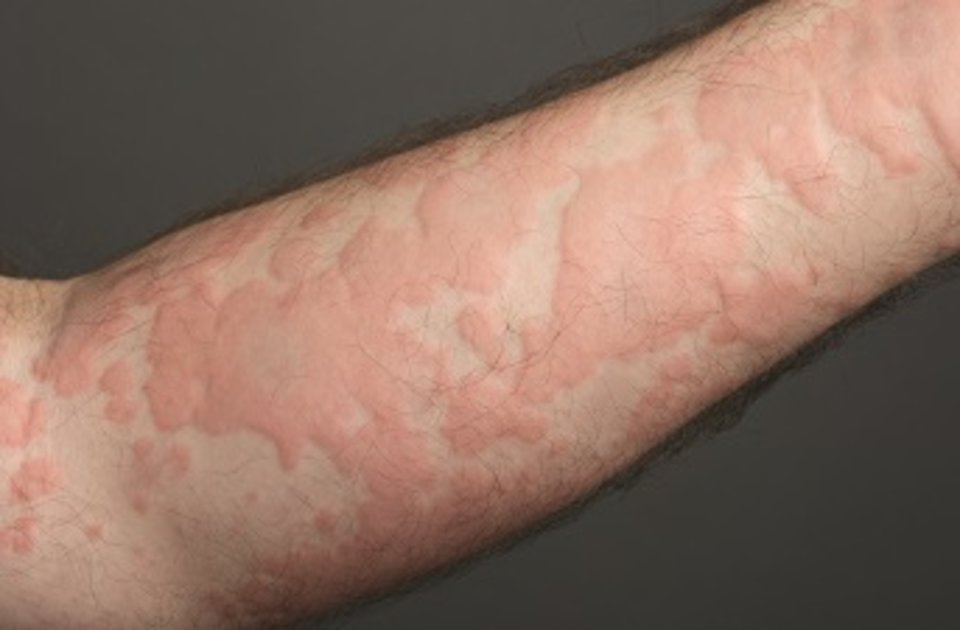
Treatment starts with a detailed consultation to understand your symptoms, frequency, and possible triggers such as food, stress, infections, or allergies. Based on this assessment, a personalized treatment plan is created. This may include medications to control itching and swelling, lifestyle guidance to avoid triggers, and ongoing monitoring. For chronic urticaria, treatment is adjusted step by step to keep symptoms under control without unnecessary medication.
Dr. Roopal Bansal offers patient focused care with a clear, practical approach to skin conditions like urticaria. Each patient receives a customized plan rather than a one size fits all solution. With careful diagnosis, evidence based treatment, and regular follow up, patients in Noida trust Dr. Roopal Bansal for effective and compassionate urticaria care.
Effective Urticaria treatment can help resolve all your skin concerns. Connect with Dr. Roopal today, the leading Dermatologist, Trichologist, and Dermatosurgeon specializing in Urticaria Treatment in Sector 75, Noida.
Urticaria, commonly known as hives, is a skin condition characterized by red, itchy welts that can appear suddenly and vary in size. While it can resolve on its own, proper treatment can help alleviate symptoms and prevent recurrence. Here are the primary treatment approaches:
1. Antihistamines:
The first line of treatment for urticaria is antihistamines, which block histamine release, reducing itching and swelling. Over-the-counter options like cetirizine, loratadine, or fexofenadine are commonly used for relief.
2. Corticosteroids:
For more severe or persistent cases, oral corticosteroids may be prescribed for short-term use to reduce inflammation and control symptoms.
3. Leukotriene Receptor Antagonists:
These medications, such as montelukast, may be prescribed to help control symptoms when antihistamines alone are ineffective.
4. Biologic Therapy:
For chronic urticaria that doesn’t respond to conventional treatments, biologic medications like omalizumab are effective in managing symptoms by targeting specific immune responses.
5. Avoiding Triggers:
Identifying and avoiding triggers, such as certain foods, medications, temperature extremes, or stress, is key to preventing flare-ups.
Managing urticaria involves both medical treatment and lifestyle changes. Consulting with a dermatologist or allergist ensures the right approach based on the severity and underlying causes of the condition.